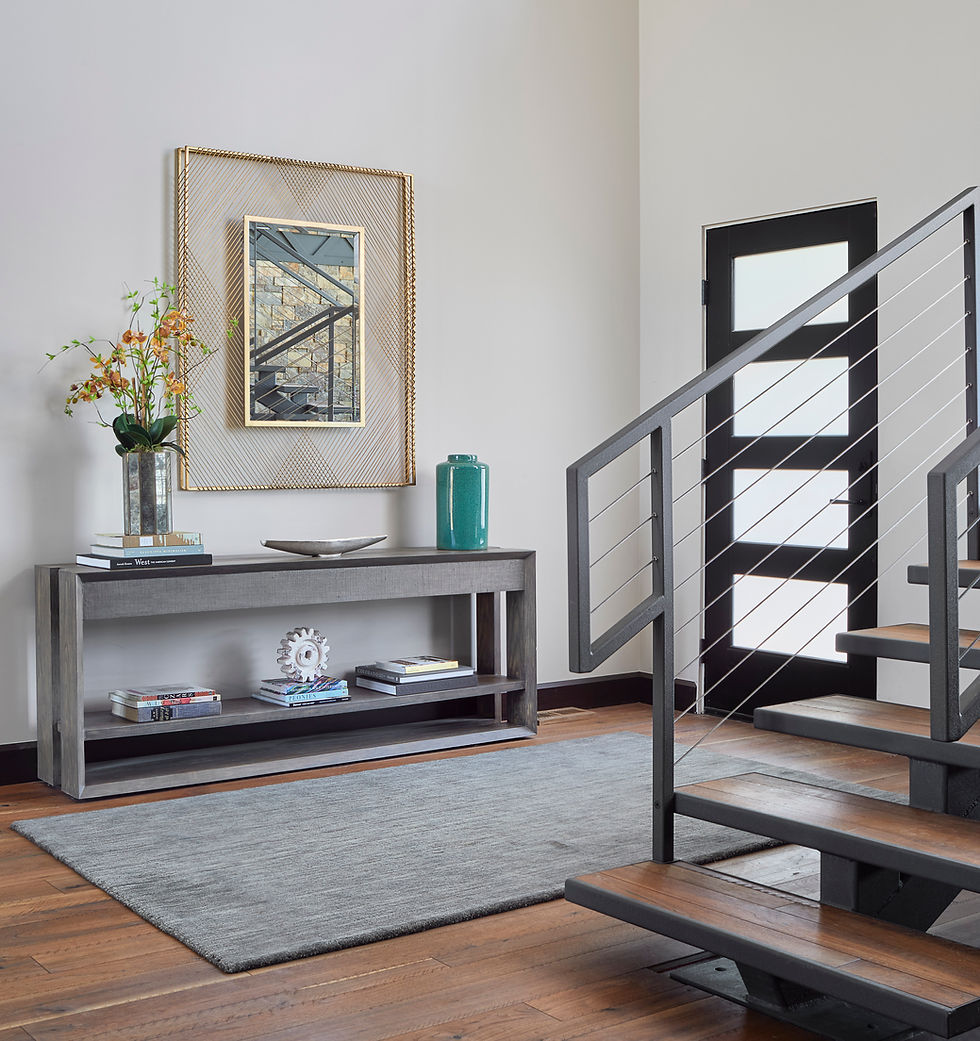
How to Plan Furniture Layouts for Better Flow and Function
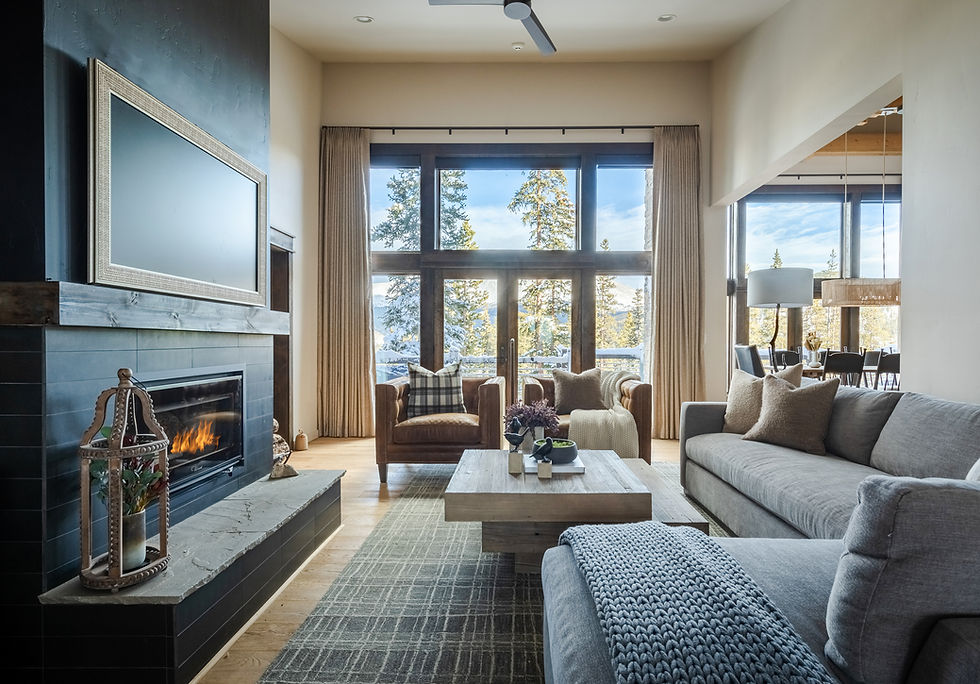
Furniture planning is one of the most important parts of designing a home, yet it’s often overlooked. Many people focus on selecting individual pieces they love without fully considering how those pieces work together within the space. A beautiful room doesn’t focus solely on the furniture but also on how it functions, flows, and supports everyday living.
Thoughtful furniture planning creates spaces that feel balanced and intuitive. It helps a home function well for daily routines, entertaining, conversation, and movement while still feeling layered and visually interesting. When scale, layout, and circulation are considered early in the design process, the result is a home that not only looks beautiful but lives beautifully too.

Start With the Layout
Before selecting furniture, it’s important to understand how the room will be used. The layout should support the natural activities happening within the space and create clear pathways for movement.
In living rooms, consider:
Where conversation naturally happens
Sightlines to fireplaces, windows, or televisions
How people enter and move through the room
In dining spaces:
Ensure there is enough room to comfortably pull out chairs
Allow circulation space around the table for serving and movement
In bedrooms:
Think about walking paths around the bed
Ensure nightstands and dressers are proportionate and functional

Scale Matters More Than You Think
One of the biggest mistakes in furniture planning is selecting pieces that are either too large or too small for the room. Proper scale creates visual balance and allows a space to feel cohesive.
A large sectional may overwhelm a smaller room, while undersized furniture can make a larger space feel disconnected and unfinished. Ceiling height, window placement, and architectural details should all influence furniture selection.
Some things we often consider:
Sofa depth and length relative to room size
Coffee table proportions and clearance around seating
Dining table size based on both room dimensions and entertaining needs
Rug sizing large enough to anchor furniture properly

Prioritize Circulation and Flow
A well-designed room should allow people to move naturally through the space without obstacles or tight walkways. Circulation is one of the most important, but often invisible, aspects of good design.
Furniture placement should support how people actually live in the home:
Can multiple people move through the kitchen comfortably?
Is there enough space between seating pieces?
Can doors, drawers, and cabinetry open properly?
Does the room feel inviting or crowded?
Layering Creates Warmth and Personality
Once the foundational furniture pieces are in place, layering is what brings a room to life. This is where texture, scale variation, and thoughtful accessories help create depth and personality.
Layering may include:
Accent chairs paired with larger upholstery pieces
Varying wood tones and materials
Pillows, throws, and textiles for softness
Lighting at multiple levels
Side tables, benches, or ottomans for functionality and balance

Furniture Should Support Real Life
Furniture planning is about supporting the way people actually live.
A family with young children may prioritize durable fabrics and flexible seating. Clients who entertain frequently may need multiple conversation zones or additional dining flexibility. Others may want spaces designed around quiet evenings, reading, or working from home.
The best furniture plans balance:
Comfort and durability
Function and beauty
Everyday living and entertaining
At Elevation Interiors, we believe furniture should do more than fill a room; it should help shape how you live within it. From full-home furnishings to individual room layouts, intentional furniture planning creates homes that feel timeless, functional, and beautifully tailored to the people who live there.
If you’re ready to create a home with thoughtful furniture layouts, balanced scale, and functional flow, Elevation Interiors can help design spaces that feel beautiful, comfortable, and tailored to your lifestyle. Contact us today to begin creating a home that supports how you live every day.