
Designing for How You Live: Creating a Home That Supports Your Lifestyle
Updated: Feb 3
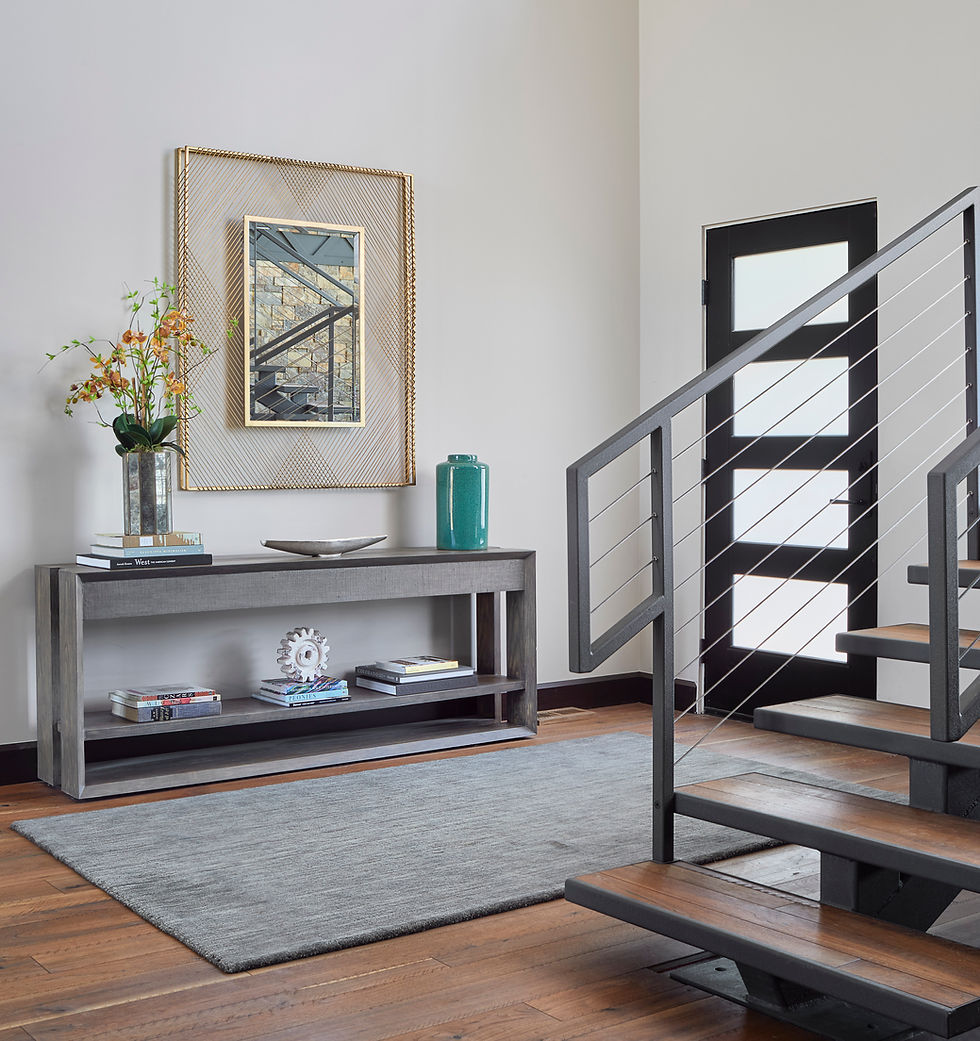
As a new year begins, many homeowners feel inspired to refresh their spaces or dream about future projects. While trends often dominate design conversations, the most successful homes aren’t built around what’s popular; they’re designed around how people truly live. Thoughtful design begins with understanding daily routines, lifestyle needs, and long-term functionality, creating spaces that support real life in meaningful ways.
Designing for how you live means stepping back from surface-level decisions and focusing on how your home works day in and day out. It’s about creating spaces that feel intuitive, comfortable, and deeply personal—homes that evolve with you rather than feeling outdated after a few seasons.
Start With Daily Routines
The foundation of a well-designed home is a clear understanding of everyday habits. How do mornings unfold? Where do bags land when you walk through the door? Do evenings revolve around cooking, entertaining, or quiet time?
Designing around these patterns ensures spaces support, not fight, your routine. Mudrooms that actually contain the chaos, kitchens that accommodate multiple cooks, and seating layouts that invite conversation all stem from observing how a household functions day to day.

Design for People, Not Just Spaces
Every household is different. A family with young children has vastly different needs than empty nesters or clients who frequently host guests. Thoughtful design considers who lives in the home now and how that may change over time.
This might mean flexible guest rooms that double as offices, kitchens with adaptable seating, or storage solutions that evolve as life shifts. Designing with longevity in mind creates homes that grow with their owners instead of requiring constant rework.

Function First, Beauty Always
A beautiful home should also be practical. When functionality is prioritized early, aesthetic decisions fall into place more naturally. Storage is thoughtfully integrated, circulation flows easily, and spaces feel calm rather than cluttered.
This approach doesn’t mean sacrificing beauty; it enhances it. When a space works effortlessly, it feels better to live in. Clean sightlines, intentional layouts, and durable materials all contribute to a refined yet livable environment.

Invest in What You Touch Every Day
The most impactful design decisions often involve the elements you interact with most frequently. Cabinet hardware, lighting controls, faucets, seating, and textiles all play a role in how a home feels to live in, not just how it looks.
Choosing high-quality, well-designed essentials improves daily life in subtle but meaningful ways. These details may not be trend-driven, but they offer lasting comfort and satisfaction.
Create Spaces That Support the Long Term
Designing for how you live also means thinking beyond the present moment. How will the home function five or ten years from now? Thoughtful layouts, timeless materials, and flexible spaces help future-proof your investment.
This long-term perspective reduces the need for frequent updates and ensures your home continues to feel relevant, functional, and personal for years to come.
A Home Designed With Intention
When a home is designed around real life, it feels effortless. Spaces flow naturally, storage works intuitively, and every room supports the people who live there. Designing for how you live is about creating a home that feels right today and remains meaningful tomorrow.
If you’re ready to design a home that supports your lifestyle, routines, and long-term needs, Elevation Interiors can help create spaces that balance beauty, functionality, and thoughtful detail. Contact us today to start the new year with a home designed around how you truly live.


