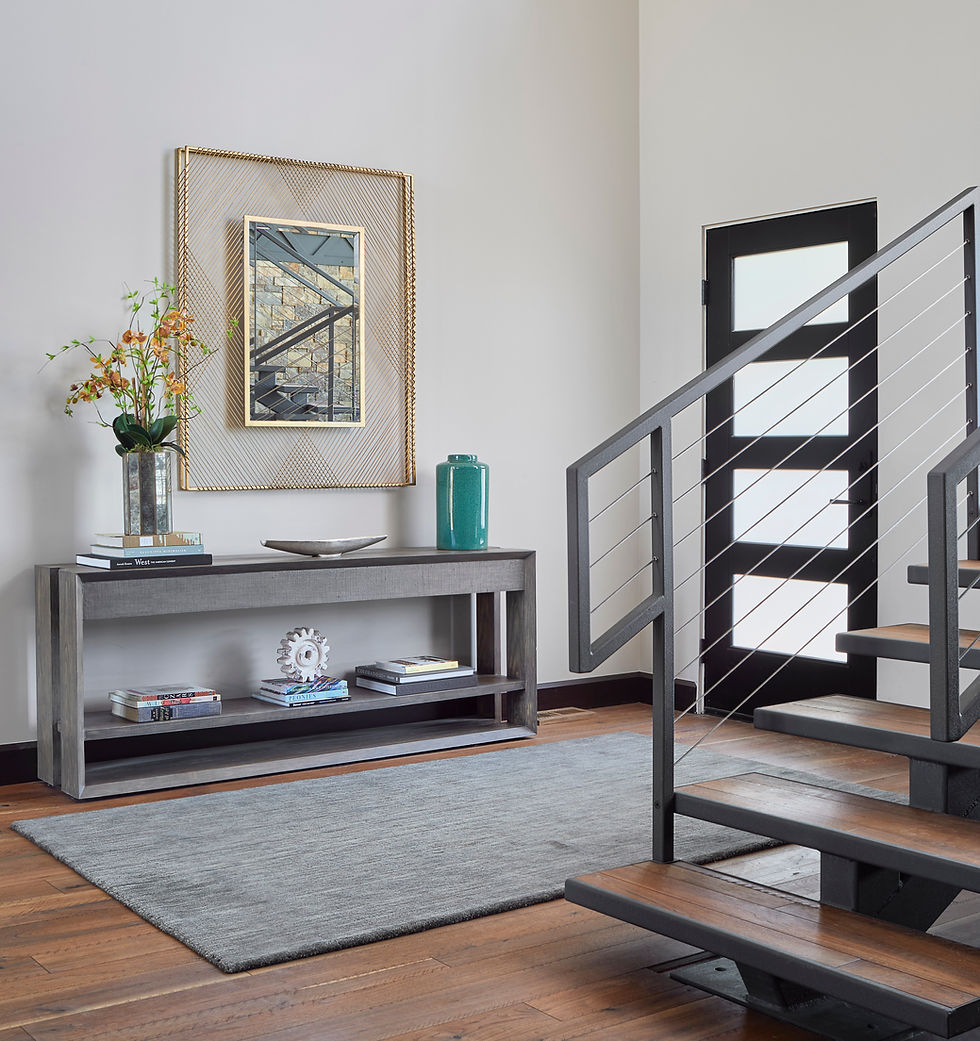
Custom Details That Make a Home Feel Finished

Sometimes you walk into a home, and everything simply feels finished. You may not notice why right away, but the rooms have depth, the architecture feels intentional, and even the transitions from one space to another seem considered.
Often, it comes down to the details.
These elements aren’t necessarily at the top of a homeowner’s wish list when a project begins. Trim profiles, built-ins, wall paneling, hardware, niches, and ceiling treatments aren’t always as exciting to select as countertops or furniture, but they’re often what give a home its character.
At Elevation Interiors, we think about these details as part of the larger design from the beginning. Rather than adding them simply for decoration, we use them to enhance the architecture, solve functional needs, and create a sense of continuity throughout the home.
Frame the Windows With Fabric
Every room needs functional window treatments for privacy and light control, but functionality is only part of the equation. It’s often the addition of fabric that makes a window, and the entire room, feel truly finished.
Decorative drapery panels frame the architecture and introduce softness in a way that hard surfaces simply can’t. They can add warmth and texture, create height, bring in color or pattern, and, when the room calls for it, a little drama.
And they don’t necessarily need to open and close to make an impact. Even stationary decorative panels layered over functional shades can completely change the way a room feels.
Window treatments can also serve a practical purpose beyond privacy and light control. In larger spaces with high ceilings, hard flooring, and expansive windows, fabric helps absorb sound and soften some of the echo that can make a room feel less comfortable.
It’s a layer clients don’t always realize they’re missing. But once the windows are properly framed, the entire room can suddenly feel warmer, more polished, and complete.
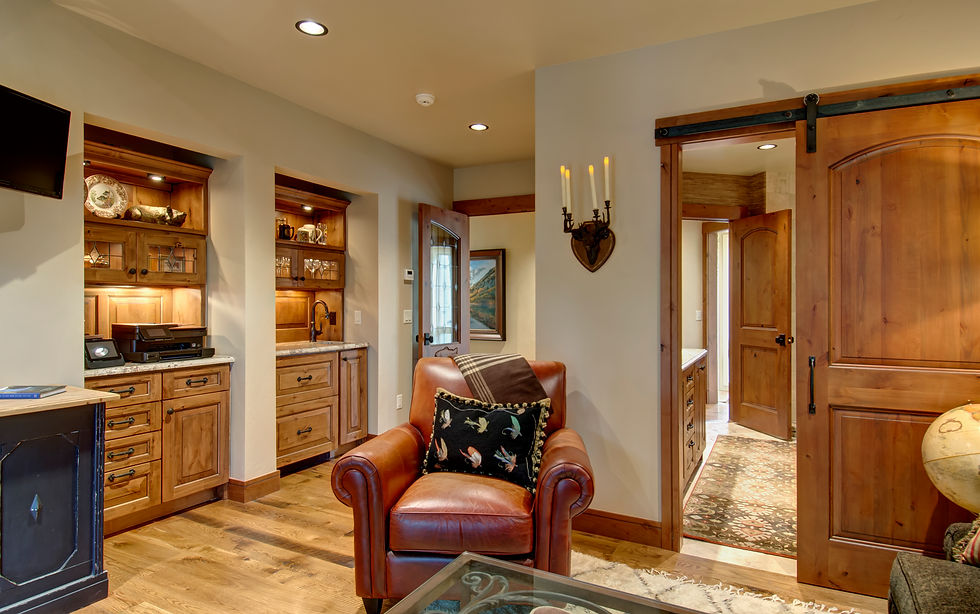
Build Function Into the Architecture
Built-ins are one of our favorite opportunities to combine function and design.
Instead of placing another freestanding piece of furniture against a wall, custom built-ins can use a room's exact dimensions while becoming part of its architecture.
Depending on the space, that might mean:
Floor-to-ceiling bookshelves in an office
Cabinetry surrounding a fireplace
A window seat with concealed storage
A built-in bar for entertaining
A banquette in a breakfast area
Media cabinetry that conceals electronics
Shelving designed around a client’s books, artwork, or collections

Add Dimension With Wall Paneling
Paint isn’t the only way to make a wall interesting. Paneling can add depth, texture, and architectural character without requiring a bold color or pattern. Depending on the home, we may use traditional wainscoting, full-height paneling, vertical applications, or cleaner contemporary millwork.
The proportions are particularly important. Panel heights, widths, and spacing should relate to doors, windows, ceilings, and other architectural elements rather than being determined independently.
Paneling can also be used strategically. A dining room might benefit from a more detailed treatment, while a hallway may only need subtle millwork to create rhythm as you move through the home.

Look for Opportunities to Create Niches
Sometimes the smallest architectural moments become the most memorable.
A recessed niche can turn what might otherwise be an empty wall into an intentional place for art, sculpture, shelving, or display. In a shower, a thoughtfully positioned niche provides practical storage while maintaining clean lines. In a hallway or living space, an architectural niche can create an unexpected focal point.
Placement matters as much as the niche itself. We consider sightlines, proportions, surrounding materials, and lighting so it feels integrated into the room, not carved out as an afterthought.
Adding accent lighting can make these small details even more impactful.

Don’t Treat Hardware as an Afterthought
Hardware may be small, but you interact with it every day.
Cabinet knobs, pulls, door hardware, hinges, and other metal details offer another opportunity to reinforce the home's overall design direction.
We consider the finish, scale, shape, and placement of hardware along with how it feels in your hand. A substantial cabinet pull can completely change the appearance of cabinetry, while beautifully selected door hardware can elevate something as simple as entering a room.
Finishes don’t necessarily have to match throughout the entire home, either. Thoughtfully mixing metals can create a more collected look, as long as there's enough consistency to make those choices feel intentional.

Remember to Look Up
Ceilings are sometimes referred to as the fifth wall, and they’re one of the biggest opportunities to add architectural interest.
Depending on the room and the style of the home, ceiling details might include:
Exposed or decorative beams
Coffered ceilings
Tongue-and-groove paneling
Applied molding
Tray ceilings
Wallpaper
Contrasting paint
Integrated or cove lighting
Ceiling treatments can also set a room's mood. Wood beams may bring warmth to a large great room, while a coffered ceiling can create rhythm and architectural structure. A smaller space may benefit from a painted or wallpapered ceiling that makes it feel more intimate.
Think About How Details Connect
Individual details matter, but the way they relate to one another matters even more.
A beautiful paneled wall can feel disconnected if its proportions don’t align with the doors beside it. A built-in may feel awkward if it stops just short of existing crown molding. Hardware can look out of place if its scale doesn’t relate to the cabinetry.
This is why we think about these decisions together.
Trim profiles, cabinetry, paneling, ceiling details, lighting, hardware, and materials should feel like parts of the same design language. When continuity carries through from room to room, a home feels cohesive without every space needing to look the same.
The Details You Don’t Always Notice Are Often the Most Important
A beautifully finished home isn’t defined by how many custom details it has. It’s defined by how thoughtfully those details have been used.
The best architectural details often don’t demand attention. Instead, they create depth, solve practical problems, emphasize beautiful features, and give each room a sense of permanence and intention. And those decisions are much easier to make during the design process than after construction is complete.
If you’re planning a renovation or new build, Elevation Interiors can help you consider the details that take a home from good to exceptional. From custom millwork and built-ins to hardware and ceiling treatments, we’ll create a cohesive design where even the smallest decisions have a purpose. Contact us today to begin designing a home that feels considered down to the last detail.